
Category: Issue Advocacy & Nonprofit

  • The Climate and 2024 Elections: How is the Environment Impacting Elections?

    The Climate and 2024 Elections: How is the Environment Impacting Elections?

    The two major party candidates in the 2024 presidential election hold vastly different views on climate change and what should be done about it.

    President Joe Biden has authorized unprecedented federal funds and enacted a flurry of rules to fight climate change. Vice President Kamala Harris, the new Democratic nominee, is committed to climate change as a key issue and hopes to continue Biden’s momentum on the issue. Meanwhile, if elected, former President Donald Trump aims to undo as much of it as he can. Trump has promised to get rid of what he sees as wasteful spending and burdensome regulations.

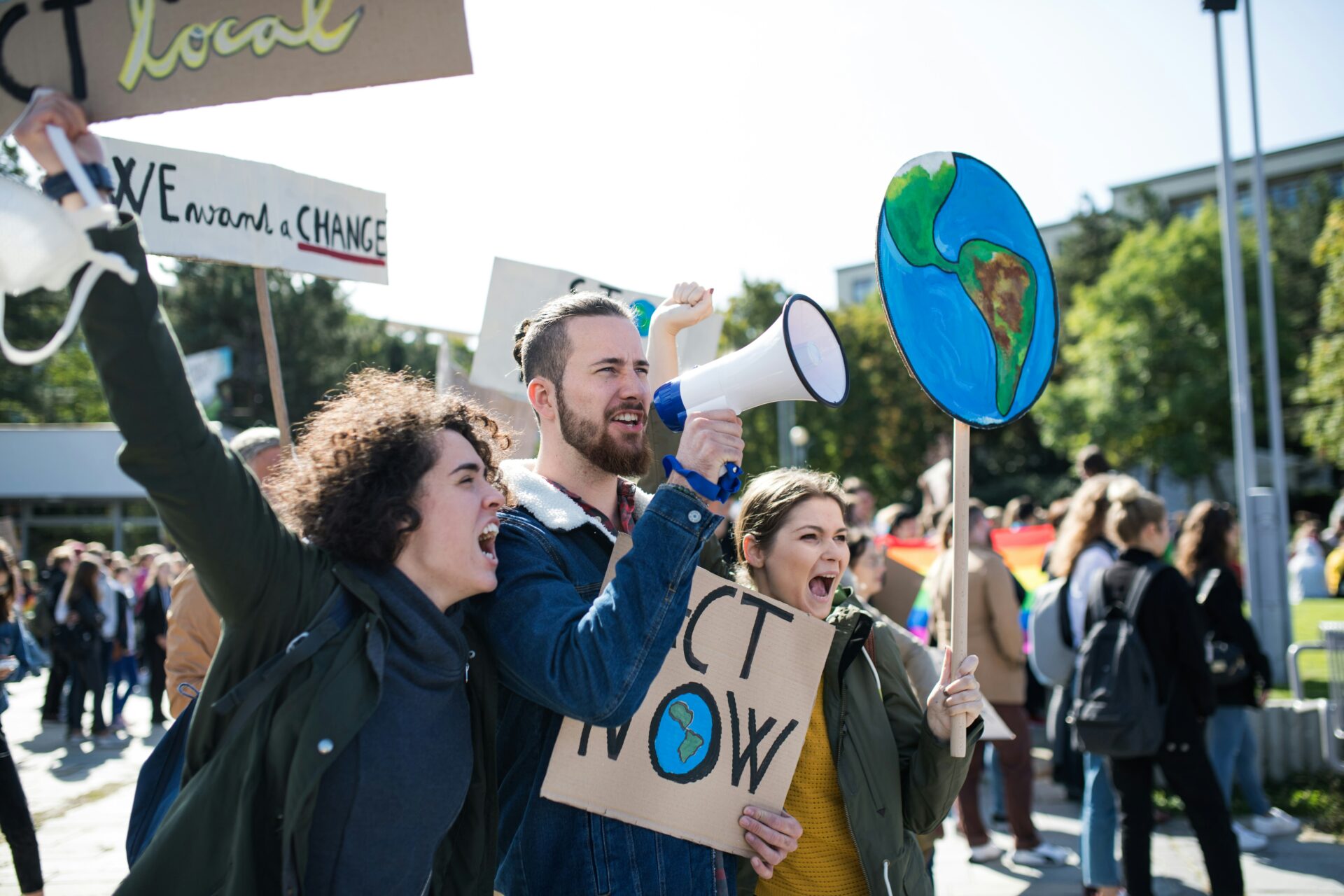
    For many American voters, climate is a key issue that brings them out to the polls. When it comes to climate and 2024 elections much could depend on the turnout of these voters. What will they be considering? In this blog, we share a rundown of the current state of the climate crisis, as well as recent major climate actions in the United States. Finally, we share how this topic might affect November’s presidential election.

    The Current Climate Crisis

    The Earth is facing a climate crisis that not only threatens its future but is causing impacts right now.

    Global warming is caused by greenhouse gases like carbon dioxide that trap the sun’s heat close to the Earth’s surface and warm it. This is a natural process, but the level of greenhouse gases in the atmosphere has increased dramatically in the past century. Increased greenhouse gases within our atmosphere have caused long-term global warming.

    Scientific consensus is that human activity is the main cause of this accelerated warming. We burn fossil fuels, like coal and gasoline, which increases the amount of greenhouse gases into the atmosphere. Plants can remove carbon dioxide from the air, but deforestation has reduced the number of trees.

    Impacts of Climate Change

    The effects of climate change include more than warmer temperatures. Scientists have noted an increase in extreme weather events, like severe storms, droughts, flooding, wildfires, and heat waves, that is likely to continue. Small but significant changes in air temperature, sea and ocean temperatures, and other changes in weather patterns have contributed to this trend.

    Changes in climate also threaten agriculture and food production. Some regions will no longer be able to grow certain crops, and invasive or nuisance species may thrive in areas that once couldn’t sustain them.

    Finally, the planet’s oceans are not only warming, they are absorbing excess carbon dioxide from the atmosphere. This process acidifies the water and endangers marine life. Further, melting ice sheets and glaciers are endangering Arctic ecosystems. They are also causing global sea levels to rise, which will impact coastal communities and infrastructure.

    The Paris Agreement

    It is possible to avoid the worst of these impacts with swift action. In 2015, representatives from nearly every country in the world met in Paris to negotiate a climate change treaty. The resulting “Paris Agreement” aims to limit global temperature rise to 2° C/3.6° F above pre-industrial levels. Its ideal goal is to keep global warming under 1.5° C/2.7° F, a “tipping point” that scientists say would cause irreversible impacts. Countries around the world must dramatically lower emissions by 2030 to reach either benchmark.

    Recent Actions on Climate Change

    The Biden administration has taken many legislative and executive actions to tackle climate change in the past four years. President Biden rejoined the Paris Agreement in 2021 after former President Donald Trump withdrew in 2017.

    The Infrastructure Investment and Jobs Act, passed in 2021, was the first major climate legislation passed during the Biden administration. A bipartisan deal, it included $105 billion for public transit, along with funding for electric vehicles, charging stations, cyclist and pedestrian infrastructure, and renewable energy.

    The Inflation Reduction Act, passed in 2022, is the largest single piece of U.S. legislation addressing climate change to date. It included about $370 billion in projected spending on climate change and energy security. Experts estimate that the Inflation Reduction Act will reduce greenhouse gas emissions by 43-48% from 2005 levels by 2035. While a significant, this reduction doesn’t meet America’s Paris Agreement pledge of a 50-52% reduction by 2030.

    President Biden also has finalized a large collection of new environmental rules and regulations, led by the Environmental Protection Agency (EPA). One of the most impactful rules will require coal plants and new natural gas power plants to cut or capture 90% of their greenhouse gas emissions by 2032.

    In spite of these actions, President Biden hasn’t been as firm on fossil fuel reduction as some climate activists want. In 2023, in exchange for a debt ceiling deal, he approved the Mountain Valley Pipeline in Virginia, a project that advocacy groups have criticized for its environmental impact. 

    Notable State Actions

    Individual states are busy taking action on climate change as well. Most have used federal climate funding to create climate action plans submitted to the EPA. This funding allows states to access grants for emissions reduction, clean energy, and other climate projects outlined in their plans.

    California set groundbreaking vehicle emissions standards with its Advanced Clean Cars II Act, which requires all vehicle sales to be zero-emissions by 2035. A total of 13 states have adopted these standards, but some made changes. Colorado, New Mexico, and Delaware set a different goal of 82% zero-emission car sales by 2032.

    In May of 2024, Vermont became the first state to pass a Climate Superfund Bill. The new law requires fossil fuel companies to pay a share of costs associated with climate change. New York followed quickly with its own Climate Change Superfund Act in June. Lawmakers in California, Maryland, and Massachusetts have introduced similar bills.

    Will Climate Change Be a Key Issue in the 2024 Elections?

    When it comes to climate and 2024 elections, voters may not weigh this issue as high as others. Most Americans are concerned about climate change, yet they tend to prioritize other issues like the economy or immigration. Those who feel strongest about climate change tend to support government action to address it. This means turnout among pro-climate voters could be key.

    Most Americans view climate change as a major threat, but only 37% say it should be a “top priority” for the President and Congress. These views differ significantly based on party affiliation. Democrats are far more likely to be concerned about climate change and support climate action than Republicans.

    The environment is unlikely to be a top issue of the 2024 presidential election, overshadowed by others seen as more urgent or immediately relevant to voters. It could tip the scales in a close race, though. It also could motivate pro-climate-action voters. A recent poll found virtually no respondents who said climate change was very important to them and would also oppose action. If those who care the most about climate turn out to vote, they are more likely to favor Democratic incumbent President Biden and his plans for the environment.

    But even if the climate does not change the course of the presidential election, its outcome may have a large impact on the climate.

    Former President Trump has called climate change a “hoax” and tends to dismiss the issue. If re-elected, he promises to expand fossil fuel production, remove Biden’s environmental regulations, and pull out of the Paris Agreement once again. He also hopes to reduce energy prices and support domestic energy sources, including both fossil fuels and low-emission nuclear power. The fossil fuel industry is still a large part of the U.S. economy. Voters who rely on it for employment will be concerned about any proposals that could threaten their jobs.

    Get Started With Plural

    As Election Day nears, climate and other key policy issues will be the subject of debate and consideration among many voters. At Plural, we’re committed to keeping both professional policy teams and everyday constituents informed and engaged. With Plural, you’ll:

    • Access superior public policy data 
    • Be the first to know about new bills and changes in bill status
    • Streamline your day with seamless organization features
    • Harness the power of time-saving AI tools to gain insights into individual bills and the entire legislative landscape
    • Keep everyone on the same page with internal collaboration and external reporting all in one place

    Interested in getting started? Create a free account or book a demo today!

    More Public Policy Resources

  • California’s SAFETY Act: What the New Law Means for Parents, Students, and Teachers

    California’s SAFETY Act: What the New Law Means for Parents, Students, and Teachers

    California AB 1955, also known as the SAFETY Act, became law on July 15th. What does it mean for parents, students, and teachers? Learn more today.

    California’s legislature often receives outsized national attention. The state’s deep-blue partisan nature, its size, and the political ambitions of its leaders often make it a trailblazer in public policy. While some on the left see progressive accomplishments like requiring corporations to disclose their climate impact as an example to replicate, critics on the right highlight these actions in their criticisms of government overreach. 

    When you combine California’s spotlight with hot-button topics like LGBTQ+ rights and education, you’re bound to have a highly followed, emotional debate. This is exactly what happened with CA AB 1955, the “Support Academic Futures and Educators for Today’s Youth (SAFETY) Act.” Governor Gavin Newsom signed the SAFETY Act into law on July 15th. Reactions have come in from both sides. Perhaps most notably, Elon Musk shared that he intends to move X and SpaceX headquarters from California to Texas in response.

    What does the SAFETY Act Do?

    The SAFETY Act is a response to a growing state and local trend. State and local policies increasingly require school staff to inform students’ families regarding any change in their pronouns or gender identity, regardless of the student’s consent. Eight states and a number of individual school districts have passed such policies. Referred to by opponents as “forced outing policies,” similar policies adopted by California school districts have been challenged by Governor Newsom’s administration in court.

    The SAFETY Act prevents educators from being required to disclose information related to students’ sexual orientation, gender identity, or gender expression without the a student’s consent, unless otherwise required by law. It also prohibits school districts from enacting or enforcing policies requiring such disclosures. In short, with the passage of the SAFETY Act, California becomes the first state to prohibit “forced outing policies.”

    However, the bill does not prohibit educators from communicating with families regarding students’ gender identity or sexual orientation when deemed appropriate or necessary. It only ensures that educators are not required to disclose this information to parents. Most California school districts don’t currently require educators to disclose this information. For these districts, the new law does not change any current procedure.

    Finally, the bill also directs the state Department of Education to develop resources to support LGBTQ students and their families. This includes support groups, counseling services, and specially trained school staff.

    Reactions and Next Steps

    Even before making it to Governor Newsom’s desk, the SAFETY Act was the subject of fervent debate. In late July, a floor debate turned chaotic as lawmakers shouted at each other out of turn. At one point, some lawmakers were restrained from physical confrontation. 

    National reaction has been swift following the bill’s signing. This is to be expected, given the polarizing nature of California politics. Supporters and advocates praise it as protecting LGBTQ youth. Opponents, however, claim it restricts parental rights. Musk’s announcement of his move, as mentioned, has also attracted significant attention. Interestingly, several news outlets have shared misleading headlines:

    As mentioned, the SAFETY Act does not ban educators from sharing information with parents. It only prohibits policies that require educators to share that information with parents.

    The SAFETY Act will go into effect in January of 2025. In the meantime, it has become the subject of multiple lawsuits within just 72 hours of becoming law. California courts will have the next say in what happens to this policy. 

    Using Plural to Monitor California AB 1955

    Top public policy teams in California trust Plural to monitor key legislation like California AB 1955. With Plural, you’ll:

    • Access superior public policy data 
    • Be the first to know about new bills and changes in bill status
    • Streamline your day with seamless organization features
    • Harness the power of time-saving AI tools to gain insights into individual bills and the entire legislative landscape
    • Keep everyone on the same page with internal collaboration and external reporting all in one place

    More Resources for California

  • How Can Cybersecurity Policies Protect Advocacy Groups?

    How Can Cybersecurity Policies Protect Advocacy Groups?

    Advocacy groups may not consider cybersecurity as part of their fight, but it plays a vital role in protecting their mission and the people they serve.

    Setting cybersecurity policies and following through on them can help advocacy groups continue their work without interruption. This process also can protect the personal and financial data they collect against being stolen and exposed. Privacy advocates may fight for stronger cybersecurity laws, which provide protection at the government level.

    Why is cybersecurity so important, and how can your advocacy group implement it? Let’s find out.

    What Do Cybersecurity Policies and Laws Protect?

    Cybersecurity laws set standards for government organizations and businesses that handle certain sensitive information. The most well-known federal cybersecurity law in the United States is the Health Insurance Portability and Accountability Act (HIPAA). This law protects the privacy and security of healthcare patients’ medical records and other health information.

    Within an organization or business, cybersecurity policies set internal rules that guard against security threats. These policies protect sensitive information and critical organizational functions from threats that can expose or break them.

    Cyber threats can include:

    • Denial-of-service attacks that bring down an organization’s website or network
    • Vandalism of websites and social media pages
    • Theft of personal or sensitive data, which may then be sold or used for fraudulent purposes
    • Phishing schemes that trick someone into giving access to an attacker or downloading malicious software
    • Ransomware attacks that hold data and computer systems hostage until a ransom is paid
    • Malware that disables important systems and networks

    Strong cybersecurity policies aim to prevent these attacks. If this isn’t possible, they include ways to stop attacks quickly and minimize the damage they cause. 

    The Role of Cybersecurity Policies in Protecting Advocacy Groups

    Advocacy groups and nonprofit organizations may be especially vulnerable to cyberattacks. They handle politically and financially sensitive information, and they often have fewer resources than other sectors to protect it. Strong cybersecurity policies can protect the work of advocacy groups in multiple ways.

    Protect Sensitive Information

    Advocacy groups are often trusted with sensitive information. This can include personal information about supporters and staff, private communication with journalists and other external parties, and confidential campaign details. Cybersecurity policies help to keep this information private.

    Even if a breach does not expose this information, it can still harm an organization’s credibility and reduce trust. This can make it difficult for the organization to work effectively in the future. 

    Protect Against Disruptive Attacks

    Cyberattacks can interrupt an advocacy group’s activities. Attacks might disrupt their websites, donation systems, communications, and internal records. An attacker might vandalize website pages or social media accounts, posting hateful or vulgar messages to discredit them. Cybersecurity policies can help ensure that advocacy organizations keep running smoothly.

    Protect Against Harassment

    Staff and supporters of advocacy groups can be attractive targets for personal harassment. This is especially true if the organization is politically controversial. A cyberattack may target a particular person, or the attacker may use the personal information they uncover to bully or threaten people. Advocacy groups can use cybersecurity policies to help keep people safe from harm.

    Case Study: The Importance of Cybersecurity Policy in Healthcare Advocacy

    Recent cyber attacks in the healthcare field highlight the importance of cybersecurity laws and policies. These attacks often take the form of ransomware – malicious software that blocks access to data and computer systems. Cyber attackers then demand payment to unblock them.

    In 2022, ransomware impacted a large hospital system, causing an estimated $100 million in damages. Attackers stole copies of patient data, disrupted payroll and online portals, interrupted access to health records, and delayed patient care. The cause was likely a phishing attack.

    In early 2024, another ransomware attack struck Change Healthcare, a health payment processing company. This disrupted payment and claims processing at healthcare organizations across the country. Personal information may also have been taken and leaked. An investigation revealed that the cause of the attack was a lack of two-factor authentication, which allowed hackers to gain access.

    In both of these cases, the ransom was paid, but that didn’t prevent damage or exposure of sensitive data. Strong cybersecurity policies can prevent these attacks and/or mitigate the damage from them. The healthcare field works with especially sensitive information that can cause great harm if exposed. Attacks in this sector also can prevent people from getting t

    Advocacy groups with an interest in healthcare have called for stronger laws to protect health-related data. They’ve also urged healthcare organizations to adopt better security resources and guidance.

    Tips for Incorporating Cybersecurity Best Practices Into Your Advocacy Work

    Not sure where to start? Here are some ways your advocacy group can follow cybersecurity best practices.

    Perform Regular Risk Assessments and Security Audits

    Take stock of potential weak points and valuable information that attackers might target. This risk assessment will help strengthen security where your organization is most vulnerable. Regularly audit your cybersecurity measures to make sure they’re working as they should.

    Create an Incident Response Plan

    Incident response plans give instructions on how to handle security incidents. If an attack or breach does occur, your staff will understand who to notify and what to do to minimize the damage.

    Train Employees

    This is a vital part of any cybersecurity plan. Educate your employees about the importance of cybersecurity and how to avoid common threats. Train them on security best practices for all the systems they use. Remember to also train any volunteers who have access to your network or digital applications.

    Use Strong, Unique Passwords

    A weak password can be an easy point of entry for an attacker. Make sure your organization uses strong passwords that are long and complex. To avoid login data being leaked in a breach elsewhere, do not use the same passwords that you use for other websites. Enabling multi-factor authorization (MFA) is another good security measure. MFA helps guard against unauthorized access to accounts.

    Secure Devices and Networks

    Make sure that each device and network your organization uses has appropriate security measures installed, such as a firewall and antivirus software. Consider using services with end-to-end encryption for sensitive data and communication. Don’t forget about mobile devices! If employees use their personal phones for work, it’s a good idea to have a mobile device management policy that sets guidelines for data and network access.

    Secure Email Communications

    “Phishing” is one of the most common ways that an organization’s data is breached. Phishing scams trick people into giving the attacker access, often with an email that contains a fake login link or a malware attachment. Ensure that your email system has protections in place to detect malicious emails and files, and train staff and volunteers on how to spot them.

    Manage Employee Access

    Each person in your organization should have access only to the data, software, networks, and hardware necessary for their role. When someone leaves or moves to a new role, ensure their access is revoked accordingly.

    Keep Software Up-to-Date

    Many software companies issue regular updates to repair security vulnerabilities. Make sure to keep your operating systems and software programs up to date.

    Back Up Data Regularly

    Make copies of important data and save them as backups in a separate location onsite and/or in the cloud. If you lose access to your organization’s data, you can restore it from these backups.

    Plural for Public Policy and Advocacy Teams

    Top public policy and advocacy teams trust Plural for their legislative tracking needs. Plural users:

    • Access superior public policy data 
    • Be the first to know about new bills and changes in bill status
    • Streamline your day with seamless organization features
    • Harness the power of time-saving AI tools to gain insights into individual bills and the entire legislative landscape
    • Keep everyone on the same page with internal collaboration and external reporting all in one place

    Create a free account or book a demo today!

    More Public Policy Resources

  • Sports Betting Laws: A Comprehensive Overview

    Sports Betting Laws: A Comprehensive Overview

    Since 2018, sports betting laws have shifted quickly. How should we, and, more importantly, effectively regulate this massive industry? Learn more today.

    For decades, sports betting was effectively banned in nearly every state. Sports fans who wanted to bet on March Madness or the Super Bowl, for example, found an illegal, black market “bookie” or flew to Las Vegas. Then, in 2018, the Supreme Court overturned the federal legislation prohibiting sports betting. From that point on, states governments were allowed to decide for themselves whether to permit sports betting. 

    A massive explosion in sports betting followed. Anyone online has seen the ads. FanDuel, Draftkings, and many more spend millions annually on marketing. They place sports betting advertisements on sports broadcasts, podcasts, Youtube videos, and more. These companies are working hard to attract users to their new industry, often offering generous promotions and free money. And the marketing seems to be working. 

    Sports betting is now a multibillion dollar industry with millions of customers nationwide. Proponents argue that legal sports betting is a matter of individual freedom. Plus, it has brought a significant new source of tax revenue. But, the industry also has its detractors. Critics warn that the ease and accessibility of sports betting, particularly online sports betting, could create a spike in problematic behavior and addiction. 

    Sports betting laws shifted quickly. It’s already been incredibly consequential, creating a massive new industry with millions of users. The long term impacts remain an open question.  

    What Is Sports Betting?

    Sports betting is a form of gambling in which participants wager on the outcome of sporting events. Sports betting can take place in any sport, but basketball, baseball, and football see the most activity in the United States. Companies that offer sports betting, called sportsbooks, are regulated by state governments. 

    Often, sports betting is not as simple as betting on the final outcome of a single game, called a straight bet. Participants can also bet on the spread — or the expected margin of victory in a game. Prop bets, bets made on the performance or stats of a specific player, are also common. 

    Online sportsbooks have also popularized the parlay, or a bet that combines multiple straight wagers. For example, say someone bets that both the Dallas Cowboys and the New York Jets will win their games over the weekend. That is a multi-game parlay. If Dallas wins but New York loses, the gambler gets no payout, but if both win, they’ll get a bigger payout than if they had made two disconnected straight bets. 

    Sportsbooks facilitate these and many other kinds of wagers in a vast array of sports, from football to horse racing. 

    What Is the Sports Betting Industry?

    Sportsbooks like Fanduel, Draftkings, and BetMGM are gambling companies with a focus on sports gambling. Some sportsbook companies only offer sports betting. Others, like BetMGM, are the instruments of legacy gambling companies that also operate traditional casinos. 

    Much of the sports betting industry takes place online as most states with legal sports betting also legalized online sports betting. Thus, most sportsbook companies allow users to place bets on games via an app on their smartphones or their websites. Sports gambling does still occur in-person, particularly in Las Vegas and other destinations. The industry calls in-person sports gambling retail sports betting. 

    The History of Sports Betting Laws

    For most of the 20th and 21st centuries, sports betting was largely illegal outside of Nevada. Though not explicitly banned until 1992, laws were passed throughout the 20th century that functionally prohibited the industry. Sports betting was confined to the gray or black markets. 

    In 1992, Congress passed the Professional and Amateur Sports Protection Act. The Act formally banned sports betting outside of Nevada and tribal casinos, with few exceptions. Sports fans looking to bet on March Madness or the Super Bowl had to fly to Las Vegas or find an illegal, black market bookie. Proponents argued that the law would protect the integrity of sporting events. Sports leagues like the NBA and NFL supported the policy. 

    The Supreme Court & Sports Betting 

    Then, in 2018, the Supreme Court overturned the Professional and Amateur Sports Protection Act of 1992. The Court declared the policy an unconstitutional limit on state sovereignty. Suddenly, the question of whether to allow sports betting and how to regulate it was back in the hands of state legislators. States were free to create and tax their own sports betting industries. 

    The Court’s decision in Murphy v. National Collegiate Athletic Association was the result of a multi-year campaign by the State of New Jersey to legalize the industry. Legal experts and the gambling industry largely predicted the case’s outcome. Many states and companies were prepared to establish legal sports gaming industries once the ruling was official. 

    The Current Legal Landscape & Different Approaches to Sports Betting 

    Many states quickly moved to legalize sports betting after the Supreme Court’s decision in Murphy v. NCAA. It has been just six years since the decision. However, states have moved quickly on the path to legalization. Sports betting is now legal in thirty-eight states, twenty seven of which also allow online sports betting

    States have taken different policy approaches to legalizing sports betting. Some, such as Montana, South Dakota, and Nebraska, allow retail sports betting but do not permit any online betting. Another more conservative approach is to allow only recognized Native American tribes to offer sports betting. Washington, North Dakota, and New Mexico have taken this approach. 

    One common limitation on sports betting is a ban on college sports betting. Oregon and Tennessee have a blanket ban on all college sports betting. New York, New Jersey, Rhode Island, and a few others ban wagers on in-state college sports. 

    There are still a few holdout states that do not allow any sports betting. Alabama, Georgia, South Carolina, Texas, and others have refrained from legalizing sports betting. However, sports betting bills have been proposed in each state with varying success. 

    Despite these holdouts, most Americans now live in a state where both retail and online sports betting is fully legal. 

    The Future of Sports Betting Laws

    Critics have serious concerns about the harmful effects of legalizing sports betting. This is particularly true of online betting. Thanks to online sports betting, gambling is now easier to access than ever before. Millions of Americans can now conveniently place bets from an app on their phone. That ease of access means more users and the possibility of more gambling problems. 

    America is only six years into its online sports betting experiment, so data on its impact is limited. Advocates on both sides of the issue instead look to the experience of other countries. The United Kingdom legalized online gambling more than fifteen years ago. Outcomes from across the Atlantic have been concerning. Sixty percent of online gambling industry profits come from just 5% of customers. As many as 138,000 people in England are classified by British regulators as problem gamblers. This includes 36,000 children aged 11-16. The UK government estimates that around 8% of suicides nationwide are linked to problem gambling and gambling addiction. 

    Regardless of the risks involved, it will be hard to put the sports betting genie back in the bottle. Sportsbooks have huge lobbying apparatuses, and there is little precedent for re-criminalizing industries in the United States. Even regulating gambling advertising will be difficult due to expansive First Amendment protections. America is likely stuck with sports betting for the foreseeable future, no matter the consequences. 

    Get Started with Plural for Monitoring Sports Betting Laws

    • Sophie to write this copy
  • Policy Responses to Public Health Crises

    Policy Responses to Public Health Crises

    Before the COVID-19 pandemic, a public health crisis was far from Americans’ minds. The idea of public health policy and a plan to deal with systematic healthcare issues, from a single strain of the cold or flu, seemed impossible.

    In 2014, the ebola virus was a highly documented public health scare. Countries in Africa documented more than 11,000 deaths from the virus. However, only around 11 people were treated for the virus in the U.S.

    The federal response to the COVID-19 pandemic laid bare the deficiencies of our public health response systems. Healthcare policies around disease detection, prevention, treatment, and information were minimal at best. Since 2020, policy around public health and pandemic response has become a talking point for many policymakers.

    Coordination between the federal government, healthcare companies, providers, and researchers will be vital in addressing future public health crises. Without clear communication and best practices, the public is at a higher risk for contracting any virus. A disorganized response can lead to disastrous health risks.

    What Is Public Health Policy?

    In general, public health policy refers to the decisions, plans, and actions undertaken by governments, organizations, and institutions to achieve specific healthcare goals. As a policy topic, it encompasses a broad range of activities. Public health policies aim to promote health, prevent disease, and ensure access to healthcare. Addressing large public health issues like obesity and diabetes are relatively straightforward public health policies. However, policy responses to public health threats like COVID or seasonal flu strains are increasingly complicated.

    At its core, public health policies aim to improve population health outcomes and reduce health disparities. This might involve the development of state and federal regulations, public guidelines, and programs that address various health issues. Public health policies aim to address infectious diseases, chronic conditions, environmental health risks, mental health, and access to care.

    There are countless ways to approach a public health policy. But many initiatives includes the following key components:

    Legislation and Regulation

    Public health laws and regulations establish standards for health and safety. This might include vaccination requirements, smoking bans, and environmental protection.

    Resource Allocation

    A key aspect of public health policy involves distributing financial and human resources to health services, research, and public health initiatives. Effective resource allocation helps ensure efficient implementation and sustainability.

    Research

    Public health policies may also aim to monitor public health trends. This might involve conducting research and gathering data. These insights inform policy decisions and evaluate the effectiveness of interventions.

    Education and Advocacy

    Education and advocacy is yet another key goal of public health policies. Raising public awareness about health issues is key in achieving a healthy population. This might involve efforts to promote healthy behaviors or advocate for policies that support health equity and access to care.

    Collaboration and Partnerships

    Finally, public health policies might aim to engage various stakeholders. This might include government agencies, non-profits, healthcare providers, and the community. Collaborative efforts are key to coordinating effective efforts and leveraging resources.

    The Importance of Public Health Policy In Improving Population Health

    Effective public health policies are key to improving population health. These strategic actions target prevention, health promotion, and the reduction of health disparities.

    Vaccination policies or best practices for healthcare screenings give populations allow populations to more effectively react to harmful viruses. Immunization programs significantly reduce the incidence of diseases like measles and polio. Sanitation regulations and testing can also combat waterborne illnesses. There’s a reason that other countries with little to no drinking water standards are known to make people sick with stomach-related illnesses. 

    Success in public health policy thrives on good information and education. Public health campaigns and educational programs encourage healthy behaviors and lifestyles. These factors contribute to positive determinants of health and reduce negative health outcomes. Policies that promote physical activity, balanced nutrition, and smoking cessation help prevent chronic diseases such as heart disease, diabetes, and cancer. Educational initiatives increase awareness and empower individuals to make informed health choices.

    Public health policies must ensure access to affordable, high-quality healthcare services. The U.S. offers these services through health insurance, Medicare and Medicaid. Other countries offer a nationalized health care model, or single-payer system, where the government manages both insurance and healthcare operations. 

    Finally, reducing health inequities is another key role of healthcare policy. Factors like housing, education, employment, and income can promote or hinder population health. Community health centers, mobile clinics, and free immunization programs can help reduce the burden of disease. In doing so, they help improve health outcomes in regions with socio-economic challenges. Policies promoting affordable housing, quality education, and economic opportunities can also impact population health.

    History of Public Health Policy

    The history of public health policy in the United States includes significant milestones. These key events have shaped the health landscape of the nation. Key changes in public health policy include:

    • The establishment of foundational public health institutions
    • Legislation aimed at controlling diseases
    • Policies to promote overall health and well-being

    These touchstones have shaped the growth of the United States healthcare system.

    Colonial Public Health Policy

    In the colonial era, public health policies largely focused on quarantine laws to stop the spread of disease. The English government and, later, colonial governments, led this effort. Massachusetts passed laws that allowed local authorities to separate ill people in their homes.  In 1796, Congress passed a law allowing the federal government to provide assistance to states during disease outbreaks. Boston established the nation’s first Board of Health and Health Department in 1799. 

    20th Century Public Health Policies

    The 20th century saw the establishment of more modern public health agencies. In 1906, the Pure Food and Drug Act was passed, marking the beginning of federal regulation of food and drugs. Upton Sinclair’s famous novel The Jungle exposed disturbing practices in the production of food and meat. Public response to the novel resulted in the Meat Inspection Act.

    The Public Health Service Act of 1912 expanded the federal government’s role in public health. It authorized investigations into human diseases such as tuberculosis, hookworm, malaria, and leprosy. It also authorized research on sanitation practices, including clean water and sewage disposal.

    The Social Security Act of 1935 included provisions for public health funding. The Act effectively laid the groundwork for modern social welfare programs. Later, the Hill-Burton Act of 1946 provided federal funding for hospital construction. It significantly expanded healthcare infrastructure in the United States. The Centers for Disease Control and Prevention (CDC) was established in Atlanta in 1946. Then called the Communicable Disease Center, the CDC further bolstered efforts to control infectious diseases after World War II.

    The Environmental Protection Agency and the Occupational Safety and Health Administration were both established in the 1970s. Their creation reflected a growing recognition of environmental and workplace health hazards. The Clean Air Act (1970) and Clean Water Act (1972) were pivotal in addressing pollution and environmental health risks.

    Later, chronic diseases and health promotion for the public became the focus of public health policy. The 1964 Surgeon General’s Report on Smoking and Health laid the groundwork for anti-smoking campaigns. The Healthy People initiative, launched in 1979, set national health objectives aimed at improving population health through preventive measures.

    The Affordable Care Act

    Recent history around public health has focused on access and cost. Efforts to expand access to healthcare and an increased focus on health disparities led to the Affordable Care Act (ACA) in 2010. Considered a landmark legislation, the ACA aimed to reduce the number of uninsured Americans and improve access to care. It also included provisions for preventive services and public health funding.

    Key Players in Public Health Policy

    Several federal agencies play a role in public health decisions, regulations and coordination. These agencies collaborate to:

    • Address public health challenges
    • Implement policies
    • Conduct research
    • Provide essential services to protect and improve the health of the U.S. population

    Centers for Disease Control and Prevention (CDC)

    The CDC is the primary federal agency for protecting public health and safety. It focuses on controlling and preventing disease, injury, and disability. It conducts research, provides information on health issues, implements disease prevention strategies, and responds to public health emergencies.

    National Institutes of Health (NIH)

    The NIH is the nation’s medical research agency. It supports scientific studies aimed at improving health and preventing diseases. It is composed of 27 institutes and centers, each focused on specific health issues, including cancer, heart disease, infectious diseases, and mental health.

    Food and Drug Administration (FDA)

    The FDA ensures the safety, efficacy, and security of drugs, biological products, medical devices, food, and cosmetics. It regulates the development and approval of pharmaceuticals and monitors the safety of the food supply.

    Health Resources and Services Administration (HRSA)

    The HRSA improves access to healthcare services for people who are uninsured, isolated, or medically vulnerable. It oversees programs that provide care to geographically isolated populations, support health workforce training, and enhance the health care delivery infrastructure.

    Centers for Medicare & Medicaid Services (CMS)

    The CMS administers the nation’s major healthcare programs including Medicare, Medicaid, and the Children’s Health Insurance Program. It plays a critical role in ensuring access to healthcare for millions of Americans.

    Examples of Public Health Policy

    As mentioned, public health policies aim to address infectious diseases, chronic conditions, environmental health risks, mental health, access to care, and more. Read on to learn about examples of public health policies.

    Vaccination Policies

    Various public and private places require occupants and attendees to be vaccinated against certain diseases. These requirements are often driven by state-level laws and regulations. For instance, hospitals and clinics increasingly require healthcare workers to be vaccinated against Hepatitis B, Influenza, and Pertussis, among other diseases. All states require students to be vaccinated against specific diseases in order to attend school. These policies are applicable to both public and private institutions. Learn more about specific requirements at Immunize.org.

    Food Labeling Regulations

    The FDA ensures that foods sold in the U.S. are safe, wholesome, and properly labeled. In accordance with the Federal Food, Drug, and Cosmetic Act and the Fair Packaging and Labeling Act, the FDA provides guidance on required food label statements to manufacturers, distributors, and importers. The Nutrition Labeling and Education Act requires most foods to have nutrition labeling. Further, it sets forth specific criteria that nutrient content claims and health messages must meet. Learn more here.

    Environmental Health Regulations

    The EPA and CDC often collaborate on creating and implementing environmental health regulations. Environmental hazards, including chemicals, radiation, microbes, and more, can all affect human health. Environmental health laws and policies are created to regulate and safeguard our environment. This includes laws regulating blood lead level testing for children, chemical exposures, and more. Learn more here.

    Drug Policy and Regulations

    Every substance or drug is subject to regulation and classification. The Controlled Substances Act (CSA) classifies substances based on medical use, abuse potential, and safety or dependence risk. Drugs are then assigned to one of five “schedules,” or tiers, determined based on the aforementioned factors. Under the CSA, substances can be added, transferred between schedules, or removed from control. Various government agencies or stakeholders can initiate this process. Learn more here.

    How to Influence Public Health Policy

    Influencing public health policy requires technical knowledge, strategic engagement, and collaboration with key stakeholders. Both concerned constituents and policy professionals alike can get involved in the legislative process to shape public health policy. Here are some effective ways to make an impact:

    1. Collaboration and Partnerships: Build alliances with community groups, healthcare providers, and policymakers. Collaboration can amplify your message and help you achieve common goals.
    2. Policy Research and Development: Conduct and support research that informs public health policy. Gather evidence on the effectiveness of interventions and use this data to develop policy proposals. Share findings with decision-makers and stakeholders to influence policy development.
    3. Public Comment and Participation: Participate in public comment periods and hearings on proposed regulations. Providing testimony and submitting written comments can help ensure your voice is heard.
    4. Legislative Advocacy: Engage with legislators to support or oppose bills related to public health. Meet with representatives, write letters, and use advocacy networks to influence legislative decisions.

    By employing these strategies, individuals and organizations can effectively influence public health policy.

    Plural for Policy Tracking

    Top public policy teams trust Plural for their legislative tracking needs. With Plural, you’ll:

    • Access superior public policy data 
    • Be the first to know about new bills and changes in bill status
    • Streamline your day with seamless organization features
    • Harness the power of time-saving AI tools to gain insights into individual bills and the entire legislative landscape
    • Keep everyone on the same page with internal collaboration and external reporting all in one place

    More Public Policy Resources

  • The State of Abortion Policy in 2024

    The State of Abortion Policy in 2024

    Abortion is one of the most contentious and polarizing issues in contemporary American politics. Both federal and state abortion laws have changed rapidly, some would say cataclysmically, in the past two years. In 2022, the Supreme Court reversed nearly 50 years of precedent with its decision in Dobbs v. Jackson Women’s Health Organization. The Court ended the constitutional right to abortion at the federal level. Overnight, state governments enacted severe restrictions on abortion. These restrictive policies were previously unconstitutional under Roe v. Wade. Since then, fourteen states have made abortion illegal

    Since 2022, state-level abortion policy has been extremely diverse. Stark policy differences exist between Democratic and Republican controlled states. In liberal states, legislatures have maintained or even expanded access to abortion care. Meanwhile, conservative states have imposed various restrictions, from outright bans to gestational limits. 

    The History of Abortion Policy

    Roe v. Wade protected abortion access as a constitutional right. It curtailed states’ ability to regulate or limit access to the procedure. In Roe, the justices argued that abortion was a personal, medical decision protected by the constitutional right to privacy. Any regulations on abortion access had to be justified by a compelling state interest until the fetus reached viability. After viability, states could prohibit abortion except when necessary to protect life or health

    Yet, despite the protections ensured by Roe, many state legislatures continued to pass abortion restrictions in an effort to test the decision’s boundaries in federal courts. Conservatives, particularly the Christian Right, remained strongly opposed to abortion and wished to see Roe overturned. With the Dobbs decision, the anti-choice lobby achieved a decades-long project. 

    The case that ended Roe originated in Mississippi. In 2018, the Mississippi legislature passed a law that effectively banned abortion after 15 weeks of gestation. The law was an intentional challenge to the Supreme Court’s precedent. Mississippi legislators knew it would result in litigation. 

    Mississippi’s sole abortion provider, the Jackson Women’s Health Organization, challenged the ban in court. This case, known as Dobbs v. Jackson Women’s Health Clinic, traveled through the lower and appellate court system before reaching the Supreme Court in 2022. There, the Justices voted 5-4 in favor of the State of Mississippi. The decision allowed the 15-week ban to take effect, reversing the Roe decision.  

    The Court’s decision in Dobbs is all but unprecedented. It’s arguably the first time in U.S. history that the Court reversed a previously guaranteed constitutional right. As such, it raised the possibility of other contested or controversial Supreme Court decisions being overturned. Many Americans share concerns that precedent protecting other reproductive rights, including contraception, could be next.

    Current Abortion Laws in the United States

    Dobbs was a major turning point in American history. As mentioned, it has unleashed a flurry of abortion policy changes at the state level. A few states have enacted new policies protecting abortion access and reproductive rights. However, most policy change has occurred in conservative states to restrict abortion access. Overall, abortion access has been severely curtailed.

    Protecting Abortion Access at the State Level 

    Since Dobbs, there have been several state-level policy victories for abortion rights advocates. First, in a 2022 special election, Kansas voters rejected a ballot measure that would have paved the way for a total abortion ban. Over 59% of voters voted against the measure. The initiative drove increased turnout in an off-cycle election in a right-leaning state.  

    Backlash continued in the 2022 midterm elections. Across party lines, Americans voted in favor of abortion rights in statewide ballot measures. Voters in California, Michigan, and Vermont supported measures that explicitly preserved abortion access. In conservative Kentucky, voters rejected a constitutional amendment that would remove abortion protections from the state constitution. Ohio voters followed suit in 2023, approving a ballot measure that explicitly protected reproductive rights.

    Overall, a trend is clear. Not one state has passed an abortion restriction via ballot measure since Dobbs. Most Americans are in favor of abortion access, even in conservative-leaning states.

    Total Abortion Bans 

    Since the Dobbs decision, fourteen states have enacted total abortion bans. These laws offer no exceptions, or incredibly narrow exceptions, in the case of rape, incest, extreme fetal abnormalities, and so on. Many of these states have also enacted criminal penalties for women that seek abortions, or for doctors that perform them. 

    Three states have passed a six-week gestational limit on abortion. In practice, six-week abortion bans function as total bans, because so few women even know that they are pregnant at the six-week mark. 

    In states with total abortion bans, pregnancy is increasingly dangerous. Women seeking reproductive healthcare for medical emergencies, including ectopic pregnancy or miscarriage, are being denied care. Healthcare providers fear facing criminal penalties for defying abortion bans.

    Limiting, But Not Banning, Abortions 

    While most states have passed measures that are explicitly in favor of or against reproductive rights, few currently operate in the gray area between legality and illegality. Arizona and Utah have passed “moderate” gestational limits since Dobbs. Those seeking or needing abortions in these states are subject to fifteen and eighteen week bans, respectively. While these measures are less restrictive than outright or six-week bans, advocacy groups such as Planned Parenthood still claim that these limits are needlessly burdensome and restrictive.

    The Controversy Over Abortion Policy & Its Impact on Elections

    Since Roe v. Wade was overturned, political controversy over abortion policy has escalated. Abortion access has driven polarization and drastically influenced voter behavior. Elections have become referendums on the future of abortion policy in America. The issue has profoundly impacted campaigns and elections across all levels of government. With abortion rights no longer federally protected, the issue has become a focal point in state and local campaigns.

    Generally speaking, conservatives prioritize abortion opposition. They’ve made a “pro-life” position and identity a litmus test for candidates seeking party support. This has resulted in the rise of anti-abortion politicians. Restrictive abortion measures have become intrinsically integrated into Republican Party platforms. Conversely, liberals view reproductive rights as fundamental to gender equality and bodily autonomy. Democrats have campaigned on restoring abortion access in recent elections. 

    Over the past two years, candidates have made reproductive rights a central campaign issue. On the whole, pro-choice candidates are winning those races. Despite heightened polarization, a majority of Americans support abortion access and oppose the Dobbs decision. Many Republicans, particularly those in toss-up states, have subsequently de-emphasized abortion rights as a campaign issue. With Roe gone, abortion is largely losing issue for Republicans. Conservatives must move towards the middle or risk alienating moderate voters and women.  

    Get Started With Plural

    Top public policy teams trust Plural to track abortion policy in the United States. Get started with Plural today to:

    • Access superior public policy data 
    • Be the first to know about new bills and changes in bill status
    • Streamline your day with seamless organization features
    • Harness the power of time-saving AI tools to gain insights into individual bills and the entire legislative landscape
    • Keep everyone on the same page with internal collaboration and external reporting all in one place
  • Cannabis Policy: A Comprehensive Overview

    Cannabis Policy: A Comprehensive Overview

    Marijuana — more formally cannabis — is the most commonly used illegal drug in America. While legal in some states, it’s still illegal nationwide at the federal level. Still, almost 50% of Americans have used cannabis at least once, and nearly 20% have used in the past year. These rates are only increasing. Legal prohibitions for both medical and recreational marijuana use are rapidly eroding. After decades of complete legal prohibition on cannabis, weed has gone mainstream. Twenty-four states have legalized cannabis for recreational use. Today, marijuana is more commonly used and easily accessible than any drug, barring alcohol. 

    Cannabis policy has evolved rapidly in the 21st century. At present, most innovation and change has occurred at the state level. States have legalized medical and recreational use, and devised tax and regulation schemes for both cases. Both state and local governments have also released people with cannabis-related convictions from prison and expunged related criminal records. 

    Federally, cannabis is still a Schedule I drug, considered to have little to no medical benefit and a high potential for abuse. It is subject to criminal penalties via the Drug Enforcement Administration (DEA.) Yet, as more states legalize recreational use, even the federal government is considering reforms to its cannabis policy. Cannabis policy is a dynamic, rapidly evolving field. Innovative legislation is pending in state houses across the country as well as on Capitol Hill. 

    History of Cannabis Policy

    In recent years, evolving attitudes and shifting policies characterize cannabis policy. However, for most of its history, cannabis policy was nonexistent — marijuana was simply prohibited. Cannabis and related industrial products made from hemp were legal in the late 19th and early 20th centuries

    The Marihuana Tax Act of 1937

    During Prohibition, several states passed laws criminalizing cannabis. These new laws were triggered by rising marijuana use, then spelled “marihuana,” sensationalist media coverage, and racial prejudices. In 1937, federal prohibition arrived with the The Marihuana Tax Act of 1937. This legislation effectively banned the use and sale of cannabis by establishing a restrictive tax and regulation scheme. While marijuana was not technically illegal, the Act marked the beginning of widespread cannabis prohibition.

    The Controlled Substances Act of 1970

    No major changes in cannabis regulation were made at the federal level for decades. This stangancy ended with the Controlled Substances Act of 1970. Cannabis was classified as a Schedule I drug with no accepted medical use alongside drugs like heroin, cocaine, and LSD. The Act kicked off decades of harsh anti-drug use policies at the federal level, capped off by Reagan’s “War on Drugs” and Clinton’s 1994 Crime Bill.

    Widespread Legalization of Medical Marijuana

    By the 1990s, state governments were already pioneering less restrictive cannabis use policies. Beyond recreational use, marijuana was increasingly seen as beneficial for medical purposes. Patients, advocates, and medical professionals recognized the therapeutic benefits of cannabis for chronic pain, epilepsy, cancer, and more. In 1996, California became the first state to legalize medical marijuana with the passage of Proposition 215, also known as the Compassionate Use Act. This landmark legislation paved the way for similar initiatives across the country. By 2016, a majority of states had legalized medical cannabis use. 

    Comprehensive Regulatory Frameworks for Cannabis Policy

    The next major turning point in cannabis legislation came in 2012. Colorado and Washington became the first states to legalize recreational cannabis for adult use through voter-approved initiatives. This move marked a significant departure from decades of prohibitionist policies. It reflected changing societal attitudes and growing support for cannabis legalization. Since then, many states have followed suit in legalizing recreational use through ballot measures or legislative action. Some states begin with simple decriminalization. However, it’s much more common for states to adopt comprehensive regulatory frameworks for the cultivation, distribution, and sale of cannabis to adults.

    Federal vs. State Cannabis Laws

    Federal and state cannabis laws conflict significantly. They’ve been at odds since the 1990s, when western states began experimenting with looser cannabis regulations. At the federal level, marijuana growth, possession, and trafficking remain crimes, irrespective of states’ marijuana laws. Yet, the federal government has opted to allow state-level innovations in cannabis policy. The Department of Justice and the DEA are largely “looking the other way” and declining to pursue prosecutions. 

    This federal-state conflict hurts the cannabis industry. Cannabis businesses must contend with an ambiguous legal status. This status has made it difficult to access banking services, insurance policies, credit card processing, and other essential services. Because of these restrictions, the cannabis industry is overly reliant on cash payments, which creates public safety and tax compliance concerns. It’s clear that, for the cannabis industry to thrive, better alignment between state and federal cannabis policy must be achieved. There are several pending pieces of federal legislation that aim to do so.

    Federal Cannabis Laws

    In April of 2024, the DEA proposed rescheduling cannabis from Schedule I to Schedule III. This change would allow for medical use. Schedule III drugs are those which have medical uses but are subject to prescription requirements. Examples of Schedule III drugs include ketamine, most barbiturates, and buprenorphine. They cannot be dispensed without a valid prescription. This proposed shift spells good news for the medical marijuana industry. Recreational marijuana would, of course, still be illegal under the Controlled Substances Act.

    In Congress, several pieces of cannabis-related legislation are currently pending. This includes the Marijuana Opportunity and Reinvestment and Expungement Act (MORE) Act. If passed, it would:

    • Decriminalize and deschedule cannabis
    • Invest federal money into communities adversely impacted by the War on Drugs
    • Allow for the expungement of certain cannabis offenses.

    The MORE Act has not yet passed out of committee in the House or Senate. 

    Other legalization bills have been proposed, including the States Reform Act of 2023 or the Strengthening the Tenth Amendment Through Entrusting States (STATES) Act. Both would deschedule cannabis and largely defer regulatory authority to state governments. Like the MORE Act, these measures have also made little progress in Congress.

    The SAFE Banking Act of 2023 is another bill that has not yet passed. However, it has had much more success in Congress than full legalization bills. The SAFE Act would protect financial institutions and other businesses with clients in the cannabis industry, effectively increasing cannabis businesses’ access to traditional financial services. The SAFE Act was amended and passed out of its Senate committee as the SAFER Act in the fall of 2023. It has not been voted upon by the full Senate. The House has passed similar legislation on many occasions.  

    State Cannabis Laws

    On the whole, state-level cannabis policy has moved towards wider permissibility and accessibility in the 21st century. States have taken diverse paths in the shift towards legalization. Many first created medical marijuana programs before moving to full recreational use. 

    In states with citizen-initiated ballot initiatives, voters have often legalized cannabis. More often, however, state legislators have passed laws allowing for medical and/or adult-use recreational cannabis. No matter the state, recreational-use laws almost always allow for at-home cannabis growth for personal use.  

    At present, only three states still completely bar both medical and recreational cannabis use. This includes Idaho, Nebraska, and Kansas. Twenty-four states have fully legalized adult medical and recreational. The remaining states have a patchwork of regulated medical cannabis programs and low THC/CBD programs. There is significant diversity in state-level medical cannabis programs. The most restrictive allow only cannabis-derived medications to treat a narrow set of disorders. Other medical programs allow cannabis to be prescribed for a wide range of illnesses, from anxiety to chronic pain. 

    Expunging the criminal records of people with cannabis-related convictions is another policy trend. Thirteen states have allowed for the expungement of some cannabis-related convictions. Eleven others have automatic record clearance for all cannabis convictions. These policies attempt to right the wrongs of the “War on Drugs.” During that era, Black and Latinx communities across the country were over-policed and over-incarcerated. On the federal level, President Biden has issued mass pardons to those with federal marijuana possession convictions. This affected a very small number of people, as the federal government rarely pursues possession charges. 

    Get Started With Plural to Track Cannabis Policy

    Top public policy teams trust Plural with their legislative tracking and stakeholder management needs. With Plural, you’ll:

    • Access superior public policy data 
    • Be the first to know about new bills and changes in bill status
    • Streamline your day with seamless organization features
    • Harness the power of time-saving AI tools to gain insights into individual bills and the entire legislative landscape
    • Keep everyone on the same page with internal collaboration and external reporting all in one place

    Create a free account or book a demo today!

    More Resources for Public Policy Teams

  • Climate Policy Topics You Should Follow

    Climate Policy Topics You Should Follow

    Over the past twenty years, progress on climate policy in the United States has been slow. This is especially true at the federal level. In this time, the urgency of calls for climate action has increased. Scientists, activists, and citizens have highlighted the inevitability of climate change-related disasters. Congress and state legislatures have responded to varying degrees.

    On the federal level, tax credits for the production and sale of hybrid and electric vehicles (EVs) have been proposed and rolled out in limited formats since the Obama administration. However, rapid growth in EV adoption wasn’t realized until the passage of the Inflation Reduction Act, which made consumer tax credits far easier to access.

    For some, this route from smaller rollouts to larger-scale implementations is a sign of careful policymaking. Many climate activists disagree. They argue that we can’t wait decades to produce the ambitious policy we need to adapt to and mitigate a looming climate crisis.

    Disagreements over climate policy are taking place across the country, including in Congress. Politics has slowed and threatens to halt progress on climate policy in certain legislatures. Examples like EV tax credits indicate that the climate policy of tomorrow is what is being debated and experimented with today. The climate crisis and associated policy battles aren’t going anywhere. In this blog, we take a look at four developing climate policy topics that you should follow to be prepared for what is to come. 

    ESG and Climate Reporting

    Environmental, social, and governance standards, otherwise known as ESG, are measures used to judge an entity’s impact for investment or regulatory reasons. Progress in this broad policy space has been led by Europe. The European Union (EU) has expanded the ESG requirements that large businesses monitor and report on. In some cases, these requirements improve businesses’ environmental impact, their impact on individuals and communities, and their corporate governance. 

    Progress on ESG in the United States has been limited. At the federal level, the Biden administration has proposed a rule that would require publicly traded companies to submit climate reporting. The final rule was delayed amidst industry and partisan backlash and is now on hold due to court challenges.. At the state level, California passed two ESG-related bills in 2023. The new laws require large businesses to report their greenhouse gas emissions and climate-related financial risks. In other states, proposed action has stalled. Any efforts have been overshadowed by a widespread, conservative-led campaign against the use of ESG criteria by state agencies, public institutions, and even private businesses.

    However, the EU’s requirements mean that many of the largest American companies must comply with certain ESG laws. The EU’s efforts are expected to spur the development of the infrastructure and practices necessary to make ESG compliance easier in the United States. The benefits of ESG compliance will also become more clear. Further, this reporting may drive consumer demand for ESG information. The will of the consumer can sometimes be a more effective threat than the will of the legislator. 

    At the grassroots level, conservative backlash to ESG is seemingly more tied to the “culture wars” than to any policy impact. This momentum is likely to wane as compliance becomes more institutionalized. With that being said, corporate opposition to ESG requirements is likely to remain strong as policies develop. The future of ESG in the United States will be determined by a back-and-forth between government and industry. 

    Source: NCSL

    Emissions Targets

    Since 2020, many state legislatures have enacted emissions reductions targets. This movement represents one of the most successful trends in climate policy thus far. At least sixteen states and Puerto Rico have passed greenhouse gas reduction targets.

    Specifics about how these states will reduce emissions to meet their targets are few. However, committing to these goals represents some of the most robust actions many states have taken on the climate crisis.

    Some requirements, including those in Colorado and Vermont, have targets beginning in 2025. Many others start in 2030. It will be worth watching how legislators and the public react as the first deadlines approach and pass. In many cases, states are unlikely to meet at least some of their targets. Whether that creates momentum for bolder action or proves the ineffectiveness of these targets remains to be seen. 

    Investing in Breakthrough Technologies

    The reason for the predicted failures of emissions targets can be traced to one factor. It’s also the reason why emission reduction may not be the most effective policy avenue. Simply put, these measures rely on technology that does not yet exist. New and improved forms of energy production, storage, and utilization are key to any effort to reduce emissions without significantly disrupting how we live our lives.

    Hope in the development of new technology that will revolutionize how we respond to climate change is not unfounded. The power of technological progress to transform how we solve problems is proven. We know that, with financial and intellectual investment, development will come.

    Some of this innovation and investment will come from the private sector. However, government-sponsored research and development is a crucial component in this puzzle. One opportunity is in carbon capture technology, which refers to the collection, storage, and/or utilization of carbon emissions before they reach the Earth’s atmosphere. Carbon capture technology is already being deployed — the Department of Energy has provided nearly $1.5 billion in funding to over 600 carbon capture research projects.

    Technological advancement is crucial in the future fight to reach climate goals. Current research and development is some of the most important work happening today. The government has the resources and the responsibility to drive this innovation. Investment allocation and research outcomes could determine the success of aforementioned emissions goals. Tracking today’s investment decisions may provide insight into tomorrow’s climate solutions.

    The Size and Strength of the Regulatory State

    Progress on climate policy has been halting. In this context, advocates have pressured federal agencies to take action via rulemaking. Some of the Biden administration’s boldest action on climate change has occurred not via legislation, but rather regulatory channels. Largely led by the Environmental Protection Agency (EPA), this includes actions aiming to:

    • Target vehicular emissions
    • Strengthen enforcement of the Endangered Species Act
    • Make it more challenging to drill for fossil fuels on government land

    In Congress, Republicans have signaled their desire to reverse many of these rules should they gain a large enough majority. If elected, Donald Trump has signaled that his administration would reverse the work of the Biden administration.

    In recent years, the Supreme Court has also limited the scope of agency action on climate policy. The Court’s 2021 ruling in West Virginia v. EPA is one example of such limitations. The ruling restricted the Obama administration’s Clean Power Plan, dampening hopes that climate goals could be achieved through regulatory action.

    It isn’t getting any easier to pass bold climate action through Congress. Given this, the Biden administration hasn’t given up on using rulemaking to achieve its goals. In fact, federal agencies have been rushing to finalize a rule that would prevent a new administration from easily reversing any prior action via the Congressional Review Act.

    The types of climate policy passed over the next few decades will be crucial in our efforts to mitigate the climate crisis. But how that policy is passed will also be important to follow. Those looking to affect change have much to learn about what has and hasn’t worked over the past twenty years. Strategic innovation in policymaking will be necessary to achieve success.

    The Future of Climate Policy with Plural

    We can’t predict the future. Any assessment of what will happen in the future of climate policy should be taken with a grain of salt. However, we can use history to identify the topics, policies, and strategies to watch out for. Legislative intelligence tools like Plural allow for real-time identification and monitoring of these trends. With Plural, you’ll be on the forefront of what’s to come. This includes:

    • Accessing superior public policy data 
    • Being the first to know about new bills and changes in bill status
    • Streamlining your day with seamless organization features
    • Harnessing the power of time-saving AI tools to gain insights into individual bills and the entire legislative landscape
    • Keeping everyone on the same page with internal collaboration and external reporting all in one place

    More Climate Policy Resources

  • Vote Mama: Paving the Way for Caregiver Representation

    Vote Mama: Paving the Way for Caregiver Representation

    Gender equity is a widely researched topic in the political sphere, but the focus on motherhood in politics is nascent. Moms of minor children comprise an all-but-unexplored research population that is critical to understand, not just as a subpopulation of women, but as a distinct population in its own right that is integral to a well-functioning government and to achieving gender equity in politics. Vote Mama Foundation is the leading source of research on the political participation of mothers. 

    By the time American women are 45-years-old, 85% are mothers. Yet, just 7% of members of the 117th Congress are mothers with school-aged children. Twenty-seven states have no mamas of minor children representing them in Congress. There are more millionaires in Congress than moms of minors. There are three times as many men named John serving in the U.S. Senate than moms of minors. At the state level, just 5% of our state legislators are mothers with school-aged children. Women either wait until their children are grown to run for office or leave office early to care for them. The sad reality is this: if we’re not breaking down the unique barriers that moms face when running for and serving in office, we will never reach full gender parity. 

    A Lack of Caregiver Representation Leads to a Less Diverse Congress

    Our legislators are charged with solving challenges most have never personally faced. Most members of Congress have never lived paycheck to paycheck, do not have student loan debt, and do not understand what it is like to be unable to afford childcare. Not having enough parents – and even fewer moms of minors – in office means a less diverse Congress and a legislative body that is disconnected from the policies that impact working families. We need the lived experiences of everyday caregivers to inform, shape, and advocate for family-friendly legislation that helps all communities grow and thrive. 

    By changing the policymakers, we can change the policies. That starts with electing more mamas of young children. When mamas run, they win. When mamas win, families win because they now have a voice in every room that is dictating policy, community budgets, and national rhetoric. 

    Children in America are continuously being put at the center of political strife – from book bans to gun reform. We need mamas who know firsthand what raising a child in 2024 American society is like. What’s working? What’s not? How can we help our children be successful? It starts with electing mamas to public office to give all children an advocate.

    Removing Barriers to Running for Office

    Mamas with minor kids face unique barriers when running for and serving in public office. Vote Mama Foundation is working to break the structural and cultural barriers that keep moms from running for and serving in office. By using a two-pronged approach to challenge the status quo, Vote Mama Foundation is advancing equitable policy solutions to dismantle the barriers that keep parents out of office and out of power. It is not enough to get more parents in the room, we need to change the structure and culture of state legislatures so parents, especially mothers, can sustainably serve in the halls of power.

    Campaign Funds for Childcare

    Campaign Funds for Childcare is a vital resource for parents and caregivers who are running for office. In 2018, the Federal Election Commission approved federal candidates’ option to spend campaign funds on childcare through a unanimous, bipartisan vote. This paved the way for other federal candidates to do so as well. Vote Mama Foundation is working on expanding this allowance to state and local candidates in all 50 states. We are the only organization helping state candidates petition their election commissions and working with legislators to introduce and pass legislation to approve the use of Campaign Funds for Childcare. To date, 31 states (plus Washington D.C.) have authorized the use of Campaign Funds for Childcare—so far.

    In states where CFCC is allowed, caregiving expenses can be used like any other allowable campaign expense as it relates to the duties of campaigning for public office. If you are running for office in the following states, you can use campaign funds on childcare expenses:

    • Alabama
    • Arkansas
    • California
    • Colorado
    • Connecticut
    • Delaware
    • Georgia
    • Illinois
    • Kansas
    • Kentucky
    • Louisiana
    • Maryland
    • Minnesota
    • Nebraska
    • New Hampshire
    • New Jersey
    • New Mexico
    • New York
    • North Carolina
    • Oregon
    • Rhode Island
    • Tennessee
    • Texas
    • Utah
    • Vermont
    • Virginia
    • Washington
    • West Virginia
    • Wisconsin

    Candidates in these states may use their campaign funds on any campaign related childcare expense while running for office. Examples include hiring a babysitter to attend a fundraising event, covering the cost of childcare during campaign activities, or paying for daycare services while conducting door-to-door voter outreach. Candidates should report childcare expenses as any other campaign expense. If you use your campaign funds on childcare, let us know! We are collecting stories from candidates nationwide to strengthen our movement for why passing CFCC is so important. Contact us here

    CFCC is An Effective Legislative Solution

    Our data and research show that CFCC is one of the most effective structural solutions to increasing the representation of women, people of color, and parents/caregivers from all walks of life. We released our most recent Campaign Funds for Childcare (CFCC) report in January of 2024. The report outlines data on how women and people of color disproportionately use CFCC to run successful campaigns and increase the diversity of our legislatures. 

    Our playbook for getting CFCC allowed for state and local candidates across the country has a proven track record of bipartisan support and authorization from West Virginia to California. Even better, our recipe for success can be replicated for any other type of campaign finance reform, such as using campaign funds to pay for security expenses while on the campaign trail. 

    Entering the political arena should never come at the expense of a candidate’s physical, emotional, and mental well-being. Unfortunately, women, especially women of color, face persistent harassment, threats, and abuse on the campaign trail that takes a toll on their mental health and can even drive them out of politics altogether. By replicating our Campaign Funds for Childcare model, we will continue to break down the barriers that keep women and families out of office and out of power. 

    Helping Caregivers in Office Stay in Office

    But we know these hurdles don’t stop on election night. Vote Mama Foundation has identified the barriers that hold parents back, especially moms with minor children, and we help to advance bipartisan, family-friendly solutions. It is not enough to bring moms to the decision-making table, we need to help them STAY there. 

    Things as simple as changing tables in all the bathrooms at the state capitol and a safe, clean place to pump while carrying out official duties can make it easier for parents of young children to balance their work as a legislator and their responsibilities as parents. Unfortunately, the barriers keeping parents from sustainably serving in office go beyond minor construction challenges. Most state legislators are either unpaid or paid below their state’s standard cost of living, and many don’t have funding to hire staff. Increasing legislator salaries and providing benefits like paid family and medical leave can help everyday parents stay in office and represent all families. Without the necessary support and infrastructure, parents of young children or caregivers to elderly family members are forced to leave office early – taking with them a crucial perspective that is needed at all levels of government. 

    Learn More About Vote Mama

    If we want to ensure that our legislative bodies reflect everyday Americans and families nationwide, then we need to elect mamas. Campaign Funds for Childcare is essential in eliminating a major financial barrier for all parents to run for office and represent their communities. To learn more about our efforts to elect caregivers up and down the ballot across the country, visit our website.

    More Resources for Public Policy Teams

  • Leveraging Tech for Environmental Advocacy

    Leveraging Tech for Environmental Advocacy

    Environmental advocacy organizations are using technology to effect change in public opinion and policy. Learn more today!

    Technology is often seen as a threat to the Earth’s natural environment – and for good reason. Pollution, deforestation, and greenhouse gas emissions continue to cause damage to our planet’s ecosystems.

    But technology can also help save the environment. “Green tech” solutions can mitigate and even fix damage to our atmosphere, waterways, and more. At the same time, environmental advocacy organizations are using technology to effect change in public opinion and policy.

    Read on to learn more about environmental advocacy and how tech can improve it.

    What Is Environmental Advocacy?

    Environmental advocacy promotes the protection of the Earth’s environment and the sustainable use of its natural resources. It can include a number of activities, such as:

    • Raising public awareness of the issues
    • Educating people about sustainable practices
    • Lobbying policymakers to enact environmental protections
    • Taking legal action against those who damage the environment
    • Participating in protests and public demonstrations

    Advocates work to preserve our natural environment, both for today and for future generations. They aim to protect not only human health but also the animal and plant life that enriches the Earth’s ecosystem. From fighting for clean water and air to working for climate justice, environmental advocacy plays an important role in protecting our planet.

    Key Environmental Advocacy Issues

    The field of environmental advocacy is as vast and diverse as our planet. Some advocacy groups may focus on a very narrow set of issues. Others work to solve broad, global problems from different angles. Here are just a few of the most prominent environmental advocacy issues today.

    Clean Water & Air

    Water and air pollution have serious impacts on health, local ecosystems, and climate change. The United Nations has recognized access to clean drinking water as a human right, but many people still lack this essential resource. Oceans, rivers, and other natural waters sustain vital animal and plant life and affect human health. Meanwhile, when the air we breathe is polluted, it can cause or aggravate various health conditions. Advocacy groups work to help prevent pollution and hold polluters accountable.

    Reducing Contaminants

    Toxic substances can also contaminate our homes, food, and other products. Environmental advocates work to prevent these substances from doing harm to humans, animals, and the rest of nature. The use of lead and asbestos has been greatly reduced in many countries, but they still threaten health when humans are exposed to them. The latest substances of concern are man-made PFAS (per- and poly-fluoroalkyl substances), which are commonly found in non-stick cookware, water-repellent clothing, stain-resistant fabrics, and more. PFAS are typically “forever chemicals” that take an extremely long time to degrade.

    Greenhouse Gas Emissions and Climate Change

    Greenhouse gas emissions are the top driver of climate change. These gases trap the sun’s heat in the earth’s atmosphere. While this is a natural process, an excess of greenhouse gases causes rapid global warming. This leads to more extreme weather, rising sea levels, the loss of polar sea ice, and more.

    Environmental advocates call for the drastic lowering of greenhouse gas emissions, most of which come from burning fossil fuels. They also promote alternatives to the use of fossil fuels, including clean energy sources like wind and solar power.

    Pairing Racial and Climate Justice

    Climate justice is a social justice issue. Air and water pollution, toxic contaminants, and climate change often disproportionately impact communities of color. Environmental justice means that everyone, regardless of race, ethnicity, or socioeconomic background, deserves environmental protection. It also means all people have equal access to decision-making on environmental issues that affect them.

    Leveraging Tech to Improve Environmental Advocacy

    Organizations can use technology to make their advocacy efforts easier, faster, and more effective. From the tried-and-true to the cutting-edge, technology can be invaluable for advocacy groups as they work to get out their message and change policy.

    Technology can help environmental advocates identify issues, mobilize stakeholders, conduct research and analysis, communicate with the public, and more. This useful tech includes artificial intelligence, which has the potential to help advocacy groups in new and exciting ways. Let’s take a look at some use cases.

    Identifying Advocacy Issues

    Advocacy organizations need to clearly identify and understand the issues related to the problem they’re trying to solve. For community-level environmental problems, surveys can be a useful way to identify issues and solutions. These can be conducted online, on digital apps, over the phone, through the mail, and/or in person. Surveys can give organizations feedback about the real problems people are facing in their daily lives. How does the lack of clean water affect them? Is air pollution causing health problems for their families? What kind of help do they say they need most? What long-term changes could address these specific issues?

    Mobilizing Stakeholders

    Digital technology makes it easier than ever for advocacy groups to mobilize their stakeholders to act. Advocacy groups can send mass emails and text messages with the latest news and campaign information. Some tools allow organizations to tailor these messages to different audiences. They may target a specific geographic area, people who have donated or taken other actions in the past, or those who have shown interest in a specific issue.

    Research and Analysis

    Online data sets and statistical reports can help advocacy groups research their chosen issues. By analyzing this data, organizations can show evidence for a problem and build support for their proposed solutions.

    Legislative research and analysis have become easier thanks to technology. Using tools like Plural, advocacy groups can search the titles and text of bills, narrow down their options with filters, and track the progress of bills that interest them most. This could include legislation that directly involves environmental protections, as well as bills related to industries like energy that often impact the environment.

    Social Media

    Social media is a powerful advocacy tool, especially for raising awareness. On these platforms, organizations can speak not only to their followers but also to those followers’ connections. Paid advertising broadcasts a message to people who may not be following you yet, but it isn’t the only way. Organizations may be able to get significant organic reach with well-crafted posts that their followers engage with and share.

    Many social media tools also offer ways to look for trending topics. If a certain topic related to the environment getting attention, advocates can use this to raise awareness about their issues and bring in more support.

    AI

    The latest emerging technology for environmental advocates is artificial intelligence. AI tools make it easier to analyze large amounts of data for patterns. They can also help predict trends, which is key for topics such as climate change that focus heavily on the future. In addition, AI can help personalize outreach to both stakeholders and policymakers. It could be used to analyze behavioral and voting patterns to find a message that will resonate with a group of people or a certain lawmaker.

    Get Started With Plural

    Plural is a valuable tool for environmental advocacy groups. Using Plural, you can:

    • Search for legislation. Plural’s advanced search tool allows you to search for terms related to the environment and filter bills by legislature, session, status, and more. You can save your search to come back to it later. Plural also has an option to email you when new bills appear that match your saved search.
    • Track bills. Save relevant pieces of legislation and keep up with any changes to it. Plural can send you notifications when any tracked bills are updated, so you can stay on top of their progress.
    • Tag bills. Tag any bills of interest to organize them by topic, priority, issue position, and more. If an advocacy organization targets different environmental policy issues, this makes it easy to keep track of them all.
    • Look up legislators. Plural’s Explorer tool makes it easy to find information about legislators, including their vote history (when available) and committees. In some jurisdictions, Plural lists contact information for legislators and their staff.
    • Collaborate with an advocacy team. Share tracked bills and notes with colleagues who are part of your Plural workspace. You can also share specific bills – or publish a tag to share a group of bills – with anyone. 

    Interested in getting started with Plural? Create a free account or book a demo today!

    More Resources for Environmental Advocacy Teams

  • What Are NGOs? Understanding Their Purpose in Public Policy

    What Are NGOs? Understanding Their Purpose in Public Policy

    There are more than 1.5 million non-governmental organizations in the United States. These organizations play a key role in American civil society and public policy formation. Non-governmental organizations, or NGOs, are mission-driven or public service focused nonprofit organizations. NGOs range in size from small organizations with narrow scopes of work, like a neighborhood food pantry, to large, multinational organizations. They influence the public policy space in a variety of ways. Some conduct and publish research that policymakers use to develop new legislation. Others are advocacy organizations that work to influence public opinion, organize legislative campaigns, and support the passage of legislation aligned with their mission and vision. Through a variety of diverse tactics, NGOs play a critical role in policy formation and change in the U.S. 

    NGOs are private organizations that operate outside of government yet influence the public sector and civil society. Defining what an NGO is can be tricky. There is incredible diversity among them, and they work on a wide range of issues. The term was first used in the 1940s after the end of World War II to differentiate between private organizations and intergovernmental agencies. Often, it’s still associated with internationalism and work at a global-scale. For many, an NGO is a large international organization or relief agency. Examples of such organizations include Amnesty International, Oxfam, and Doctors Without Borders. Technically, however, they need not operate at the international level. An NGO is simply a private organization that works to influence civil society and advocate for their mission, vision, and values. 

    NGOs vs. Nonprofits

    Almost all NGOs are nonprofits, but not all nonprofits are NGOs. In the United States, nonprofits are organizations not designed to generate profit beyond what is needed to pay staff and fund their programs. Nonprofits operate without public shareholders or stocks and are tax exempt with a structure laid out in the U.S. tax code. On the other hand, NGOs usually operate as 501(c)(3) or 501(c)(4) nonprofits in the U.S. and do not pay taxes. 

    Nonprofit and NGO are not synonymous. There are organizations with nonprofit status that do not have the civil society mission that characterizes NGOs. Churches, for example, are nonprofit organizations, but most would not consider themselves NGOs. Still, these terms are often used interchangeably, particularly by people who do not work within the sector. 

    Types of NGOs

    The NGO sector is large and diverse. There are many different subtypes, which vary based on the NGO’s mission, theory of change, and tactics. The four main types are advocacy, service-based, research, and operational. 

    Advocacy

    Advocacy NGOs work to change public opinion and influence policy. They design and execute public awareness campaigns, lobby public officials to pass legislation, and more. Often, they employ organizers who work to build political power among their communities. They often have a strong lobbying component. Advocacy NGOs may be more overtly political or partisan than other types. 

    Service-Based

    Service-based NGOs realize their mission through direct service and boots on the ground. These organizations organize relief projects and provide essential services to people in need. Often, they are less involved in the public policy space and do not engage in lobbying. Some of the largest and most famous global NGOs are service based. This includes Doctors Without Borders and World Central Kitchen.

    Research

    Research NGOs are often called think-tanks in the United States. These organizations work to affect change via information. They conduct and publish research, write policy briefs, and educate key decision makers and the public. Sometimes research NGOs even draft legislation. These organizations serve an important role in civil society and often employ key subject matter experts. 

    Operational

    Since they are also focused on direct services, operational NGOs have much in common with service-based NGOs. They design and implement development projects. They often work to promote economic and sustainable development in lower-income nations. Typically, Operational NGOs are global in scope and work in concert with the United Nations, the World Bank, and other major development organizations. 

    Examples of NGOs

    Many NGOs have operated globally for decades and are household names. This includes Oxfam International, the International Rescue Committee, Doctors Without Borders, and Amnesty International.

    Save the Children, for example, was founded in 1917. It works to improve the lives of children through healthcare, emergency aid, and education projects. They have a global presence in 121 countries and serve tens of millions of children each year. 

    The International Rescue Committee was founded in 1933. It provides humanitarian assistance to refugees fleeing crises like war and natural disasters. The IRC was founded to help people fleeing Nazi Germany in Europe. Today, they have a global presence in 40 countries. In 2021, they reached over 30 million people with services ranging from primary healthcare to direct cash assistance. 

    How Do NGOs Operate in the United States?

    Legal frameworks govern the establishment and operation of NGOs. Importantly, the U.S. legal system protects the free speech and association rights of NGOs. Regulations that impact these groups are designed to regulate without making judgments about the content or value of the work. 

    NGOs are typically tax-exempt in the U.S. because they can incorporate as 501(c)(3) or 501(c)(4) nonprofit organizations. Service-based, operational, and research NGOs are often 501(c)(3) organizations, while advocacy NGOs are more often 501(c)(4) organizations. Federal law prohibits 501(c)(3) organizations from endorsing candidates for office or engaging in partisan activities. 501(c)(4) organizations have more flexibility to engage in political activity, lobbying, and electioneering. 

    Foreign NGOs, or those primarily based abroad, are also allowed to operate in the United States. They are generally regulated in the same manner as domestic organizations. These foreign-based organizations must obtain a license to operate in the states where they work. They may also apply for tax-exempt status from the IRS like any U.S. nonprofit. There are no special restrictions on foreign donations or contributions. 

    The United States does have a Foreign Agents Registration Act, which requires some representatives of foreign governments or entities to register with the Justice Department and periodically disclose their activities. This typically only applies to foreign agents working in U.S. politics and elections. Most NGO employees are not required to register with the Justice Department. 

    The Role of NGOs

    The size and scope of the nonprofit sector has been increasing steadily over the past several decades. Already, the nonprofit sector employs 10% of all private sector workers in the U.S. It also comprises 5.6% of domestic GDP. The nonprofit sector is a massive industry in which NGOs play a critical role. NGOs have significant power and influence. They seem poised to increase their influence and scope moving forward. Given their significant impact, understanding their role and function is critical to understanding American civic life.  

    Service-based and organizational NGOs help to fill gaps in government services, providing essential assistance to poor and marginalized people. They provide healthcare, education, and emergency relief to communities that need support above and beyond what public services and government funding can provide. Many of these organizations are small and have deep community ties. They operate local food pantries, provide affordable childcare, deliver mental health services, and much more to families who could not otherwise access these services. 

    Advocacy and research NGOs focus less on filling service gaps. Instead, they bolster American democratic and civic institutions. Think tanks produce social policy research that pushes U.S. public policy forward, bringing new ideas and solutions. The public sector does not always have the time, resources, or political will to undertake long research projects or investigate novel but unproven ideas. Think tanks often have more resources and flexibility. 

    Advocacy organizations strengthen democratic institutions and bring people into the electoral process. They organize communities around big policy ideas and provide professional support and expertise to grassroots campaigns. Many advocacy NGOs are nonpartisan. They focus on increasing democratic education, political participation, and voting. In an era where voting rights are under attack, this work is more important than ever. 

    How Do NGOs Influence Public Policy?

    NGOs wield substantial influence on United States public policy. They engage in advocacy and lobbying efforts, leveraging research findings to present evidence-based arguments to policymakers. Their comprehensive reports and recommendations inform legislative discourse and decision-making. 

    Coalition building is another key tool. Organizations form alliances with diverse stakeholders, including other NGOs, businesses, and community groups. Doing so amplifies their voices and garners broader support for their policy objectives. At the same time, they also invest in public education campaigns. They deploy resources to raise awareness among the populace about pressing issues. These campaigns generate public pressure that can sway policymakers.

    Further, some NGOs use litigation as a strategic tool, challenging government actions or policies in the courts. Litigation often influences the interpretation and implementation of legislation. Moreover, strategic partnerships with government agencies afford NGOs opportunities to directly influence policy implementation and programmatic direction.

    In select instances, NGOs employ direct action tactics to spotlight their cause and exert immediate pressure on legislators. This can include actions such as protests and civil disobedience.

    These multifaceted approaches allow NGOs to wield considerable influence over the legislative process. Through these approaches, they shape the formulation, passage, and implementation of laws that reflect their policy priorities and societal goals.

    Get Started With Plural

    Top nonprofit, advocacy, and NGO teams trust Plural with their legislative tracking needs. With Plural, you’ll:

    • Access superior public policy data 
    • Be the first to know about new bills and changes in bill status
    • Streamline your day with seamless organization features
    • Harness the power of time-saving AI tools to gain insights into individual bills and the entire legislative landscape
    • Keep everyone on the same page with internal collaboration and external reporting all in one place

    Create a free account or book a demo today!
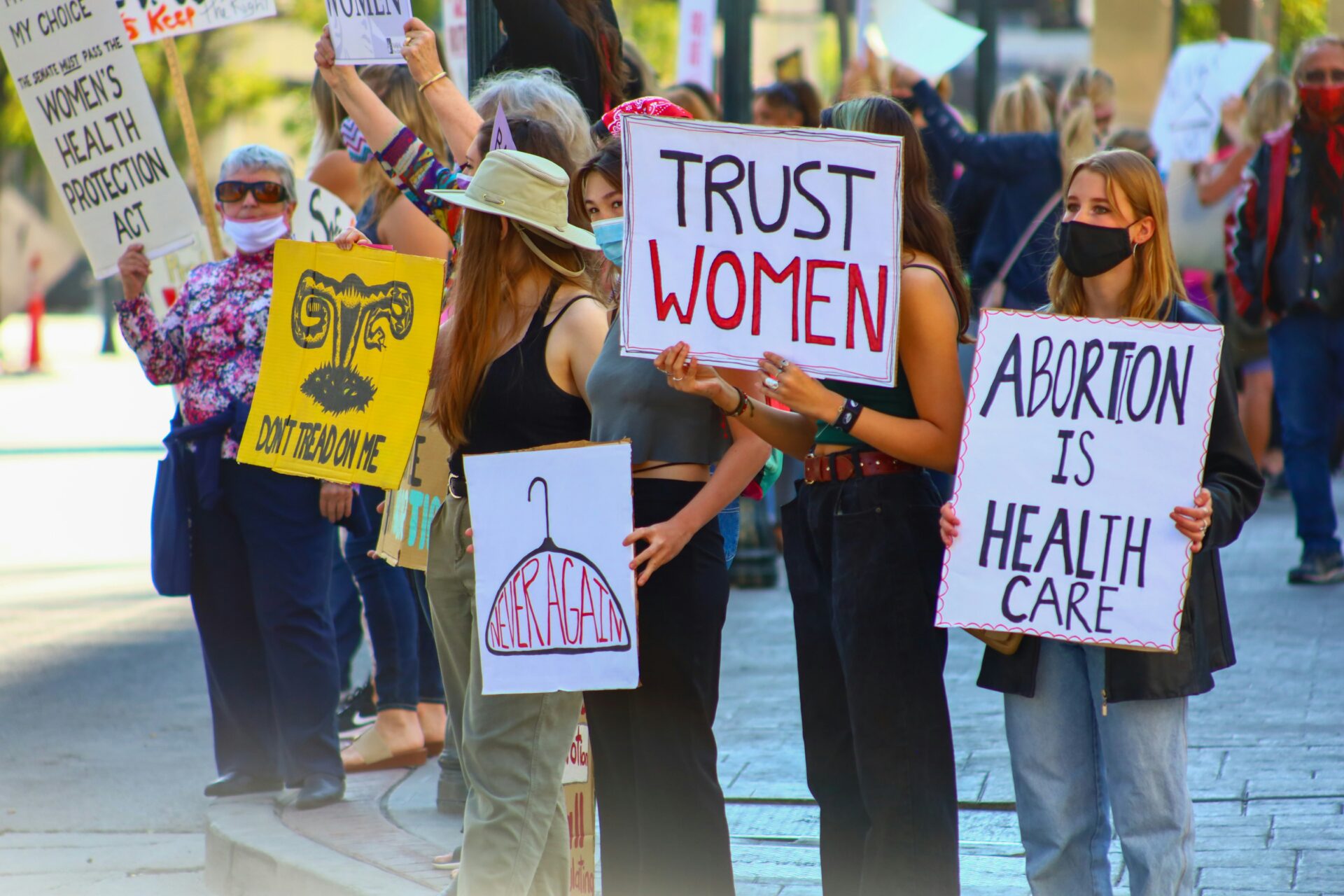
    More Resources for Public Policy Teams

  • 5 Voting and Election Policy Topics You Should Know

    5 Voting and Election Policy Topics You Should Know

    As we near Election Day, there are key voting and election policy topics that you need to know. Learn more today!

    The 2020 election heightened focus on various election and voting policies. This discourse set the stage for continued debate as the 2024 election approaches. Increased scrutiny has amplified discussions around certain key voting and election policy topics, including:

    • Felon disenfranchisement
    • Automatic voter registration
    • Misinformation and disinformation in elections
    • Legislature modernization
    • Same-day voter registration

    Each of these voting and election policy topics plays a vital role in shaping the accessibility and integrity of elections, highlighting the importance of informed policies to ensure a robust democratic process. As we near November, understanding these issues is crucial. Learn more below.

    Felon Disenfranchisement

    Felon disenfranchisement continues to be a critical public policy issue. It refers to the practice of denying millions of Americans the right to vote due to felony convictions. Racial minorities, particularly Black Americans, are disproportionately affected by the issue.

    Disenfranchisement policies stem from historical practices. In the past, certain individuals have been excluded from voting as a form of punishment. These policies not only remove an individual’s ability to take part in democratic processes. They also have broader societal impacts, serving to isolate formerly convicted people. Many critics argue that this practice does not serve public safety or deterrence. Instead, these policies may hinder the rehabilitation of the convicted.

    As mentioned, disenfranchisement laws have a particular impact on minority communities. In some states, a significant portion of Black adults are disenfranchised. In Florida, Kentucky, and Virginia, at least one in five Black adults is disenfranchised. Overall, Black Americans are disenfranchised at a much higher rate than their white counterparts. This disproportionate impact suggest a racial bias in the broader criminal justice system. Further, it signals racial disparities in the social policies that create the conditions that lead to incarceration.

    Advocates have attempted to challenge disenfranchisement laws in some states. In Pennsylvania, legal challenges have resulted in changes to how felons regain their voting rights post-incarceration. However, many wins have been reversed. Restrictive clauses have been reinstated following the court challenges.

    There’s ongoing debate and changes in policy regarding felon voting rights. Disenfranchisement has deep historical roots and significant impacts on democracy and equality.

    Automatic Voter Registration

    Automatic Voter Registration (AVR) is a policy designed to streamline the process of voter registration. It involves integrating voter registration procedures with routine transactions at agencies like the Department of Motor Vehicles (DMV) or Medicaid offices. AVR automatically updates voter information, thereby ensuring more accurate and current voter rolls. This process not only reduces the potential for registration errors but also diminishes costs associated with outdated or incorrect registrations​. Further, AVR also increases participation and improves the voting experience.

    AVR reduces the need for paper-based registrations. It generates significant savings in materials as well as associated labor and mailing costs. In Ohio, shifting to electronic registration methods could save jurisdictions around $4.04 per registration in labor costs alone. States like Virginia have implemented systems where changes in DMV records automatically trigger updates in voter registration databases. This method is proven to save millions in costs related to undeliverable mail. It also significantly streamlines voter list accuracy.

    Beyond cost savings and efficiency, AVR also addresses issues of inclusivity and access. In Oregon, AVR has registered a larger portion of minority and economically disadvantaged voters. As such, AVR helps close gaps in voter participation. Further, AVR also enhances the voting experience by reducing lines and wait times at polling places.

    Innovative AVR practices have been implemented in other states as well. In Louisiana, OMV locations identify and process voter registrations based on whether individuals are already registered. This system has shown significant efficiency improvements. Ensuring that voter lists are more accurate leads to cost savings and reduced bureaucratic overhead.

    AVR is a powerful tool for modernizing voter registration. It makes the process more efficient, accurate, and inclusive.

    Misinformation and Disinformation

    Misinformation and disinformation have dominated the discourse surrounding elections and voting. Efforts to counter this rhetoric are pivotal to maintaining the integrity of and trust in the electoral process. Misinformation refers to incorrect information that is often spread without malicious intent. Disinformation, on the other hand, is deliberately deceptive. Both undermine the democratic process by spreading falsehoods about:

    • Voting methods
    • Election dates
    • The security of the electoral system

    A significant challenge arises from social media’s role in amplifying these narratives. Platforms have been criticized for not doing enough to counter the spread of harmful election-related content. Critics argue that certain platforms have allowed misinformation to flourish, influencing public opinion. As a response, advocates have called for more robust regulations and oversight of these platforms to protect the democratic process.

    Legal and regulatory measures are being advocated to address this issue more systematically. Proposals include:

    • Strengthening laws against voter intimidation and false election speech
    • Enhancing transparency in political advertising
    • Improving the enforcement capabilities of federal agencies

    Literacy initiatives can also help the public better identify and reject false information.

    Moreover, efforts at the grassroots level have also shown promise. Volunteer networks have mobilized to monitor and report disinformation. These networks have helped mitigate the spread of harmful information during election cycles. Community-driven initiatives are crucial in creating a more informed electorate resistant to misinformation.

    Overall, combating election misinformation and disinformation requires a multifaceted approach. Efforts must include legal reforms, stronger platform governance, public education, and active civic engagement to preserve the integrity of elections.

    Legislature Modernization

    Another key election policy topic includes efforts to modernize legislatures. This includes steps taken to lower barriers to running for office and efforts to make politics more accessible. Modernization efforts often take place at the state level and target women, racial minorities, and mothers. Key areas of these initiatives include:

    Compensation and Benefits

    State legislatures typically offer a very low pay. This can deter diverse candidates, particularly working-class individuals, people of color, and caretakers. Without higher pay, these groups are prevented from participating in governance without compromising their family’s needs. Advocates emphasize that legislators should receive a living wage, alleviating the financial burden of running for and serving in office.

    Family and Medical Leave

    In addition to low pay, state legislatures do not offer adequate family and medical leave options. This forces legislators to choose between their public responsibilities and personal family needs. These gaps in support can be particularly challenging for new parents who might need to take time off for caregiving without the possibility of paid leave.

    Childcare Reimbursements and Campaign Funds for Childcare

    High childcare costs can be a significant barrier to running for office. Policies allowing the use of campaign funds for childcare are proposed to remove these financial hurdles. These policies would make it feasible for more parents to consider and pursue political roles.

    Structural and Cultural Modernization

    There’s also a push to adapt the infrastructure of state legislatures to be more family-friendly. This includes creating more inclusive environments with facilities such as breastfeeding areas and child-friendly workspaces. These measures aim to normalize the presence and participation of parents​​.

    Modernization efforts are championed by organizations focused on increasing the political participation of mothers. These organizations advocate for legislative environments that support and advance family-friendly policies. The goal is to shift legislative priorities to better support working families. This may include enhanced policies on childcare, education, and healthcare. With enhanced policies and a modernized culture, legislatures are better able to reflecting the needs and demographics of the communities they represent.

    Same-Day Voter Registration

    Same-day voter registration (SDR) offers several advantages. One of the key benefits of SDR is that it standardizes registration processes across all counties within a state. As such, it minimizes inconsistencies in how provisional ballots are handled. SDR also reduces the potential for litigation due to differential treatment of voters​.

    SDR eliminates the issues associated with fixed registration deadlines, which often become contentious. This is especially true when external factors or technical issues affect voters’ ability to register by the deadline. By allowing registration up to and on election day, SDR provides a fail-safe for voters who might otherwise be disenfranchised.

    Another important aspect of SDR is its role in simplifying the voting process. In the U.S., voting can be confusing due to varying deadlines and requirements. As mentioned, SDR helps in preventing misunderstandings that could lead to litigation. Moreover, SDR also increases voter turnout, especially among populations that might otherwise face registration barriers. This includes young people, minorities, and newly naturalized citizens. Finally, SDR also contributes to lower rates of disputes over election outcomes. Learn more about the benefits of SDR here.

    Data across various states corroborates SDR’s impact on voter turnout and election integrity. States with a history of SDR show higher participation rates. This trend underscores the effectiveness of SDR in mobilizing voters who might otherwise be less likely to participate due to restrictive registration conditions.

    In summary, SDR both enhances the electoral process and plays a crucial role in reducing the legal challenges associated with more rigid voting systems. SDR serves as a critical reform in states aiming to improve voter engagement and maintain election integrity.

    Understanding Key Voting and Election Policy Topics

    As November approaches, it’s imperative to engage with and understand key election policy topics. The issues mentioned above play crucial roles in ensuring a fair, inclusive, and democratic electoral process for all eligible voters.

    Get Started With Plural

    Plural is the policy tracking and legislative intelligence tool of choice for those looking to monitor voting and election policy topics. With Plural, you’ll get and stay ahead in the policy landscape. Get started today to:

    • Access superior public policy data 
    • Be the first to know about new bills and changes in bill status
    • Streamline your day with seamless organization features
    • Harness the power of time-saving AI tools to gain insights into individual bills and the entire legislative landscape
    • Keep everyone on the same page with internal collaboration and external reporting all in one place

    Create a free account or book a demo today!

    More Resources on Voting and Election Policy Topics